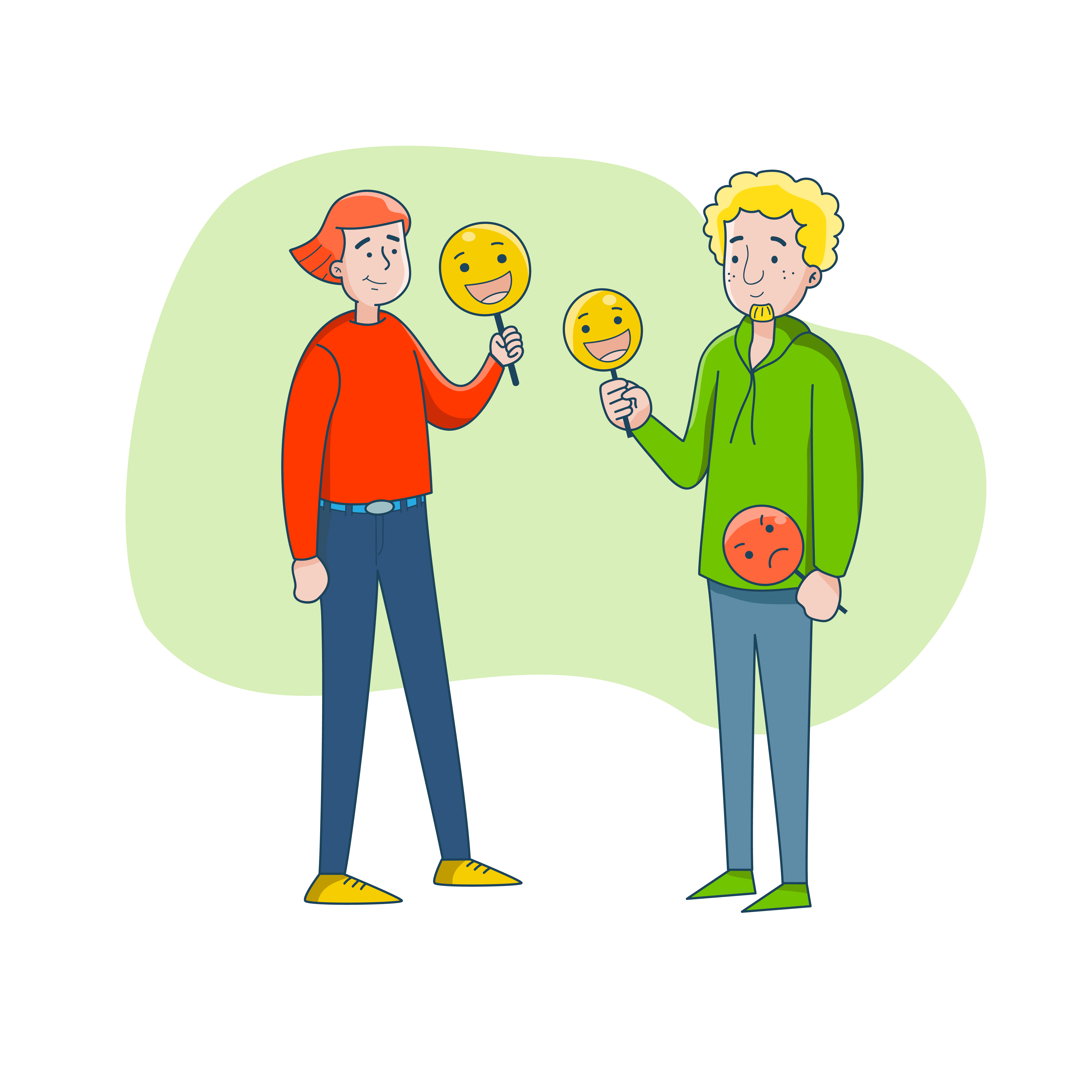
Some underlying characteristics of autism spectrum disorder (ASD) can lead to behavioral problems such as frustration and angry outbursts in children. One such characteristic is simply not being able to communicate one’s thoughts and feelings to others. This can lead to frustration and feelings of being misunderstood or not being listened to. Another might be the tendency for a child with autism to require “sameness,” with no alterations in routine: Any changes in the daily schedule or familiar surroundings can be very upsetting and anxiety provoking. Calming down a child with autism can be stressful and exhausting, but it’s important to deal with these manage anger outbursts constructively. Here are some tips on how you can de-escalate your child’s anger and help them to learn how to manage anger, thereby taking back control of the situation.
When it comes to anger management skills, ABA can help high-functioning autistic children to:
• Learn how to avoid negative responses or behaviors.
• Reduce the frequency of unwanted behavior.
• Learn acceptable alternative behaviors.
• Identify and appropriately communicate emotions, including anger.
• Learn the coping skills for emotional regulation.
• Have appropriate social interactions and communication that don’t result in aggression.